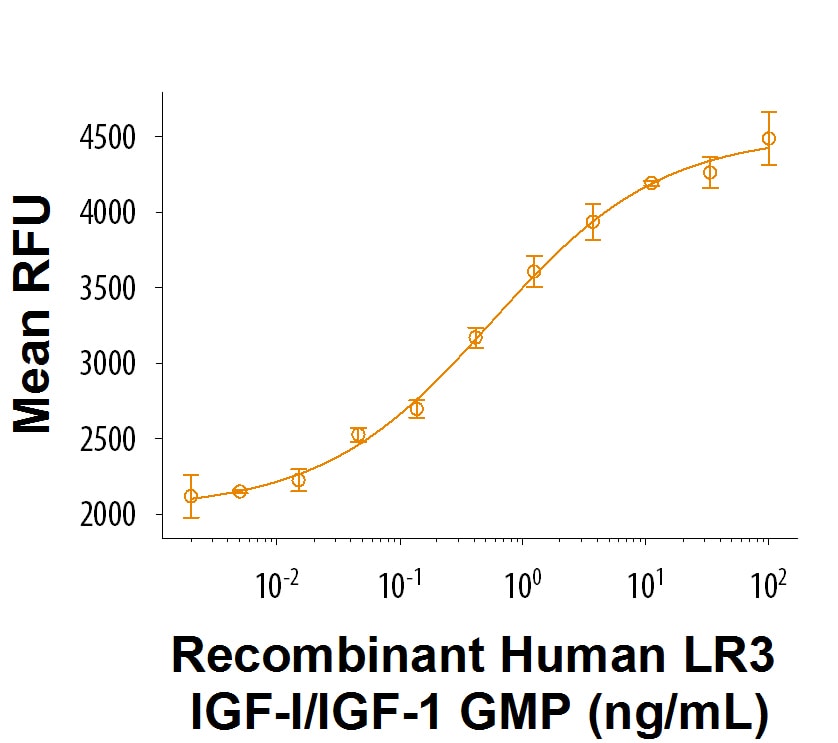
Supplementary Table S1) and Col-0 WT seedlings were exposed to different concentrations of AITC

Nutrient and cofactor depletion: B12 and folate deficiency impairs methylation (reduced SAM-e) R Glutathione depletion (from chronic oxidative stress, acetaminophen overuse, mycotoxin exposure) impairs GST conjugation R Glycine deficiency impairs both amino acid conjugation and glutathione synthesis R Magnesium deficiency impairs UGT activity (magnesium is required for UDPGA synthesis) R Molybdenum deficiency impairs sulfite oxidase, causing sulfite accumulation and sulfation pathway dysfunction R Sulfate and cysteine depletion impairs sulfation (reduced PAPS) R Vitamin B5 deficiency impairs CoA synthesis, affecting acetylation and amino acid conjugation R Toxic overload and substrate competition: Alcohol depletes glutathione, NAD+, and SAM-e simultaneously, impairing GST conjugation, methylation, and driving acetaldehyde accumulation R High-dose acetaminophen saturates both sulfation and glucuronidation, forcing CYP2E1 to generate the hepatotoxic metabolite NAPQI, which then depletes glutathione catastrophically R Multiple toxin exposures create competition for conjugation enzymes, creating a bottleneck where no single toxin is cleared efficiently Oral contraceptives induce certain UGTs while depleting B vitamins, folate, and magnesium, creating mixed effects on conjugation capacity R Gut dysfunction: Dysbiosis elevates beta-glucuronidase, deconjugating glucuronidated toxins and estrogens in the gut R Leaky gut increases systemic toxin entry, overwhelming conjugation capacity Small intestinal bacterial overgrowth (SIBO) impairs taurine and glycine availability through bacterial deconjugation of bile acids R Liver and mitochondrial dysfunction: Chronic liver inflammation reduces UGT, GST, and SULT expression R Biotoxin accumulation damages hepatocyte mitochondria, impairing energy-dependent conjugation (acetylation, amino acid conjugation) Non-alcoholic fatty liver disease (NAFLD) downregulates multiple Phase II enzymes R Medications and environmental factors: Glyphosate depletes glycine by substituting for it in protein synthesis, and chelates manganese and other minerals needed for conjugation enzymes R NSAIDs compete for glucuronidation and amino acid conjugation R Proton pump inhibitors reduce magnesium absorption, indirectly impairing glucuronidation R Valproic acid depletes carnitine and CoA, impairing acetylation and amino acid conjugation How Conjugation Overlaps With Other Conditions Phase II conjugation dysfunction is a thread running through many chronic conditions
Scroll through our gallery and imagine how confident you'll feel seeing your own results reflected in the mirror
& Freiman, R