On the other hand, the TGB illustrates the potential of grassroots activities and community-centred approaches to realise effective and efficient carbon offset projects, even though there are still some challenges to reaching long-term sustainability objectives
10.1016/0003-9861(59)90090-6 Arch

Disclosure of interest: Shubham Biyani: nothing to disclose Poster Session I - INTRACRANIAL HEMORRHAGE 02.00 - INTRACRANIAL HEMORRHAGE - 02.02 - SAH, ANEURYSMS AND VASCULAR MALFORMATIONS P150 - ESOC25-441 MINIMAL GROWTH RISK IN SMALL INCIDENTAL CAROTID OPHTHALMIC ANEURYSMS: REVISITING SURVEILLANCE INTERVALS FOR OPTIMISED MANAGEMENT Ronil Chandra 1,2 , Fergus Taylor 1 , Seana Gall 3,4 , Leon Lai 2,5 , Christopher Photopoulos 1 , Kenny Li 1 , Shreyas Honavar 1 , Lee-Anne Slater 1,6 , Thanh Phan 4,7 1 NeuroInterventional Radiology, Monash Medical Centre, Monash Health, Melbourne, Australia, 2 Department of Surgery, School of Clinical Sciences at Monash Health, Monash University, Melbourne, Australia, 3 Menzies Institute for Medical Research, University of Tasmania, Hobart, Australia, 4 Department of Medicine, School of Clinical Sciences at Monash Health, Monash University, Melbourne, Australia, 5 Neurosurgery, Monash Medical Centre, Monash Health, Melbourne, Australia, 6 Department of Radiology and Radiological Sciences, School of Clinical Sciences at Monash Health, Monash University, Melbourne, Australia, 7 Neurology, Monash Medical Centre, Monash Health, Melbourne, Australia Background and Aims: The optimal intervals for radiological surveillance of small incidental carotid ophthalmic artery (CoA) aneurysms remain uncertain, with current guidelines recommending annual or biennial imaging
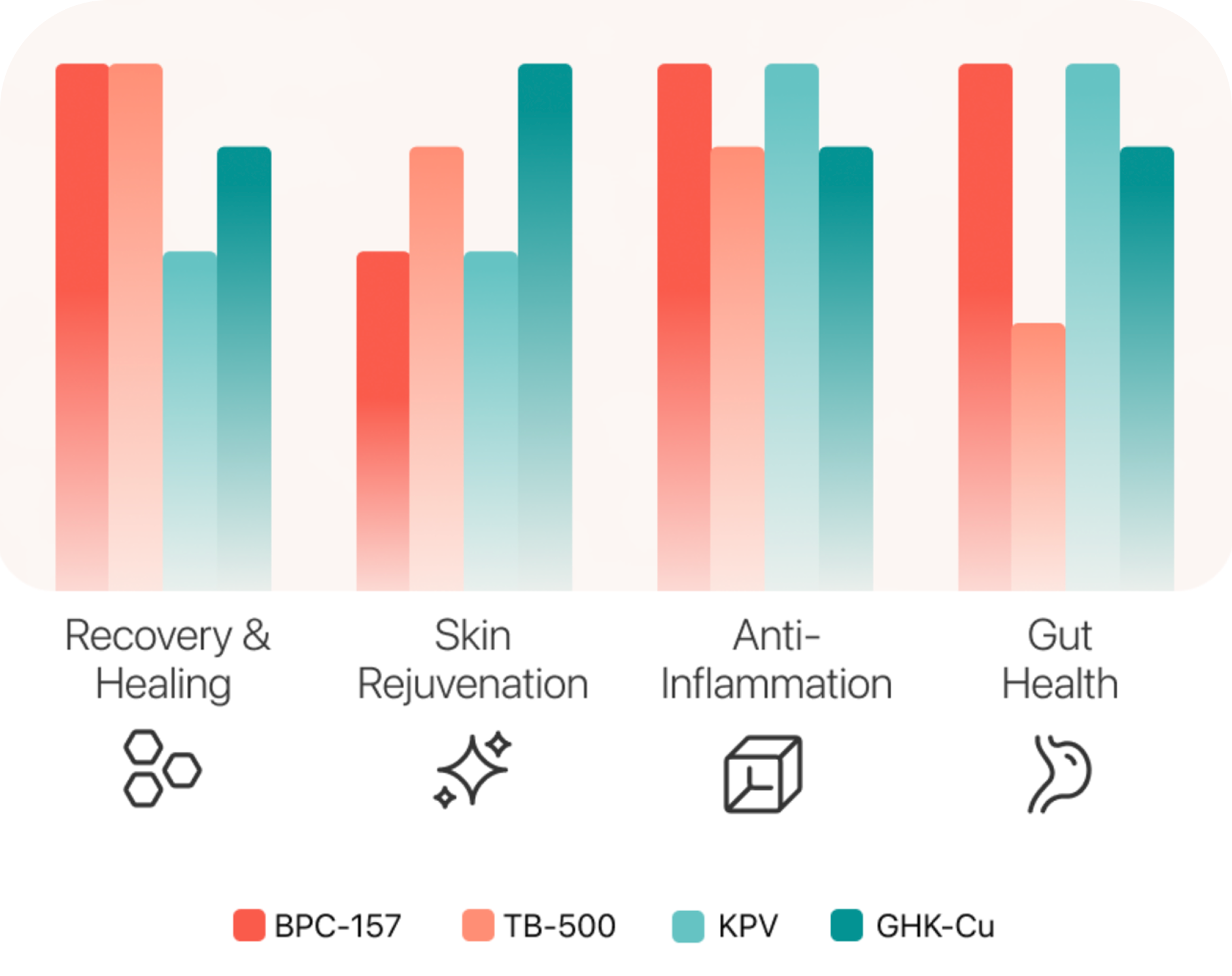
And there are more options for hair loss than ever before